

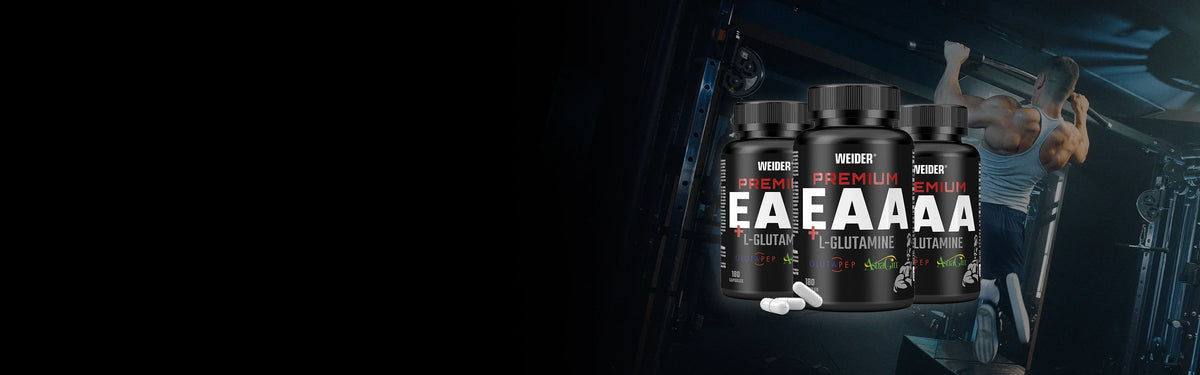
The ISSN Position Stand on EAAs
We have previously written a blog article on essential amino acids. Now, the expert committee of the International Society of Sports Nutrition (ISSN) has taken a stance in one of their famous position stands. The article, titled "International Society of Sports Nutrition position stand: essential amino acid supplementation on skeletal muscle and performance," was published on October 6, 2023. Accordingly, we don't want to waste any time and immediately provide you with the most important key information from this highly interesting article.
A Quick Refresher: What are EAAs?
Let's start with a brief refresher: Amino acids are the building blocks for the proteins in our body. The nine essential amino acids L-histidine, L-isoleucine, L-valine, L-leucine, L-lysine, L-methionine, L-phenylalanine, L-threonine, and L-tryptophan cannot be produced (synthesized) by the human body and must therefore be supplied daily through food. According to Liebig's Law of the Minimum (named after Justus von Liebig), all nine EAAs are required for proper protein synthesis. If even one is missing, deficiency symptoms can occur. Consequently, proteins that contain a high proportion of essential amino acids in an easily digestible form are considered high quality.
Referring to a publication by Bifari and colleagues, the ISSN experts emphasize that daily supplementation of essential amino acids brings numerous health benefits. In addition to the obvious positive effect on anabolic (building) metabolism, EAAs can extend healthspan. This is achieved, among other things, through their influence on sugar and fat metabolism, the production of new mitochondria (mitochondrial biogenesis), and the maintenance of immune homeostasis (homeostasis describes a state of equilibrium).
Muscle Protein Synthesis: The Core of the Matter
Be that as it may – in our context of sports nutrition, the stimulation of muscle protein synthesis and protein turnover is paramount. An increase in muscle mass stimulated by EAAs can result in increased physical performance and improved functionality. Furthermore, according to the ISSN experts, in the case of a calorie deficit (such as during a calorie-restricted diet aimed at weight loss), a higher EAA intake is beneficial – but more on that later.
The continuous breakdown and rebuilding of damaged muscle protein is necessary to maintain both muscle mass and its function. Muscle mass is built when muscle protein synthesis (MPS) exceeds muscle protein breakdown (MPB) over a longer period. MPS can be stimulated by training and must be fueled by EAAs from high-quality protein in the diet. Even the sole intake of high-quality protein can trigger MPS. Combining strength training with a protein-rich diet creates a synergistic effect, maximizing the stimulation of MPS. Most of us aim for precisely this MPS maximization by regularly going to the gym and diligently drinking our whey shakes. So far, so good.
How much EAA is safe?
Since proteins account for about 7–13 kg of our body weight, depending on physical constitution and age, it's not surprising that the intake of proteins and their building blocks, amino acids, is generally considered very safe (with the exception of extremely rare genetic metabolic disorders). According to the ISSN expert committee, it would theoretically be safe to supplement 100 g of EAAs per day. We are talking about supplementing here, meaning additional intake on top of the "normal" diet.
"Thus, when considering the safe amounts of each EAA, these data indicate that more than 100 g of supplemental EAAs can be safely consumed per day in an American adult already consuming the average habitual dietary intake of approximately 40 grams per day."
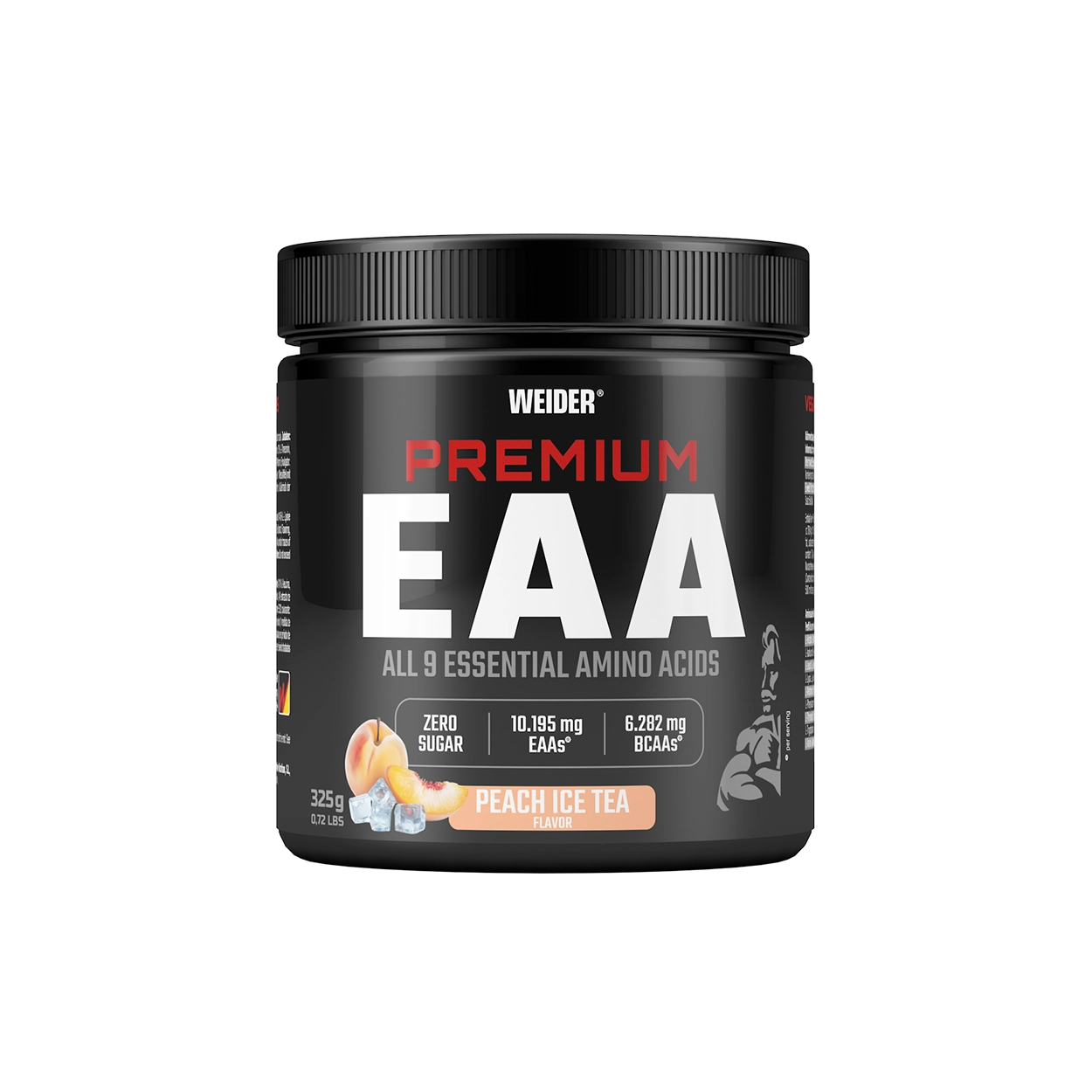
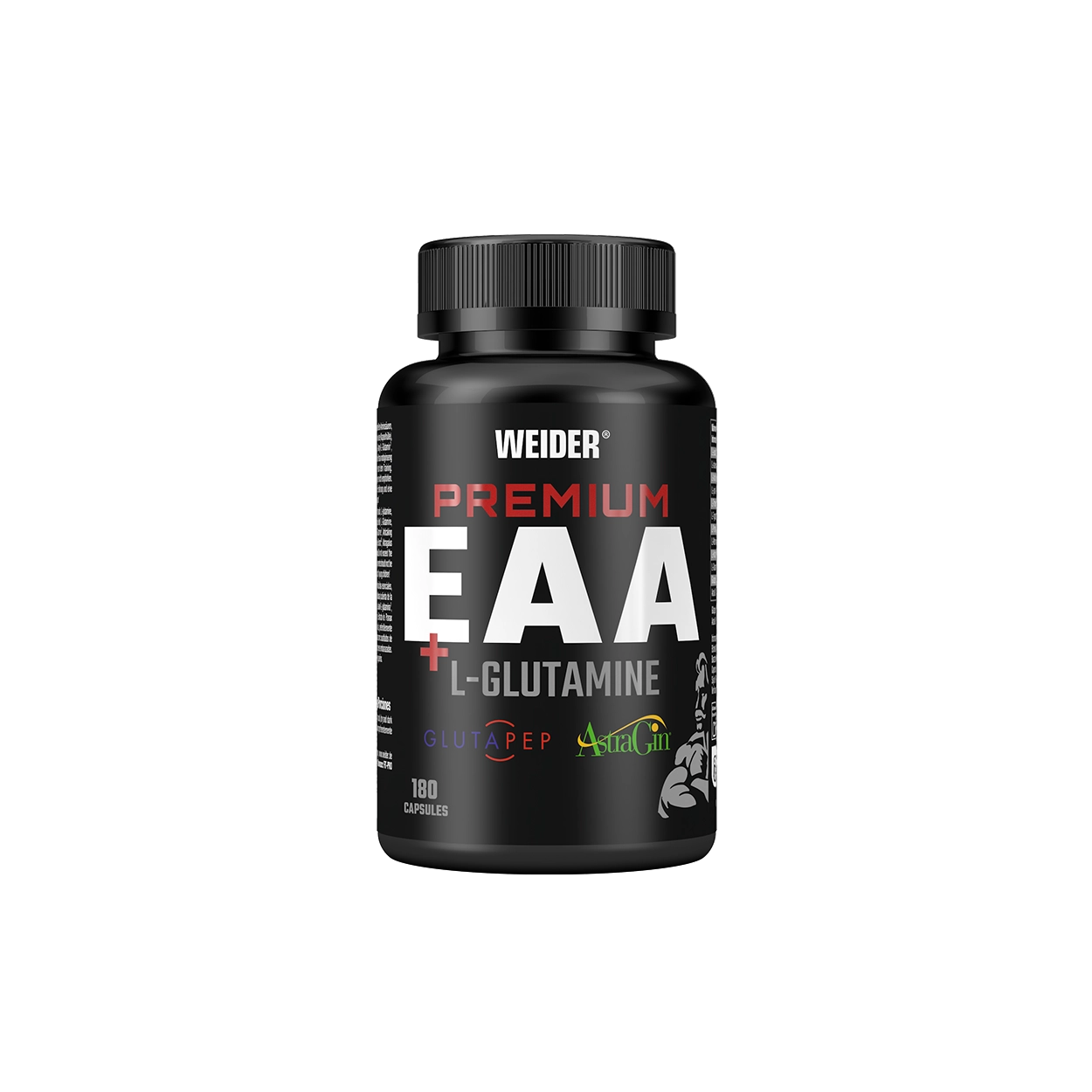
While the average American is used as a reference here, we Europeans can also feel addressed thanks to our largely similar eating habits. Just because this high amount is considered safe doesn't mean we should overdo it with EAA supplements. We know that our Premium EAAs taste really delicious – but at 100 g a day, a 325 g tub only lasts 3.25 days. Not good prospects for the wallet.
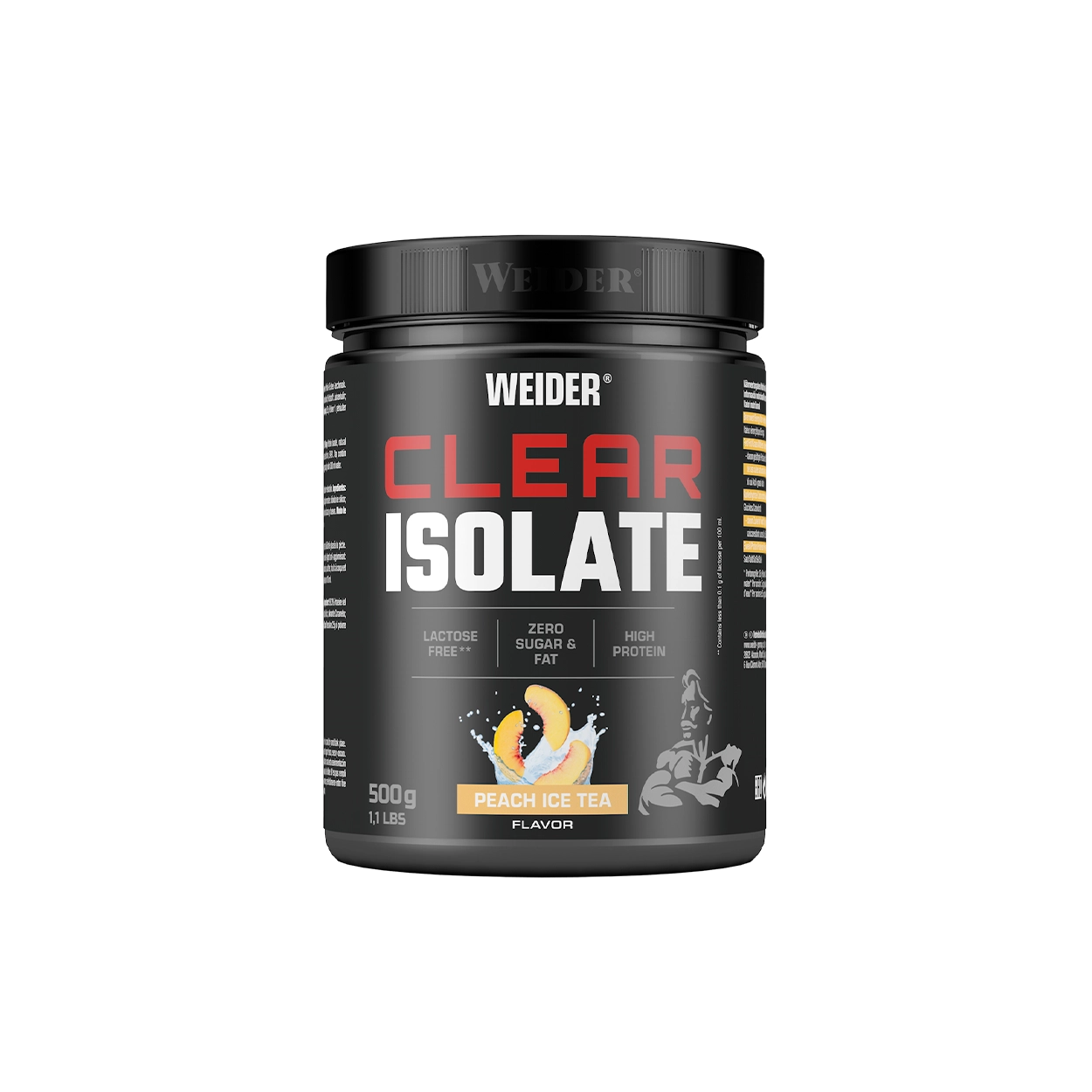
The ISSN experts state up to three servings of ~15g per day as an acceptable supplement to a normal diet and conclude that the general health harmlessness of EAAs allows for generous supplementation. We agree with this assessment and recommend 1-2 servings (13g each) of our Premium EAAs per day – depending on physical condition and training goal. Of course, we also factor in the consumption of one of our delicious Whey Shakes here. Whey protein, the milk protein, has a particularly high EAA content and is therefore one of the highest quality protein sources. Would it be inappropriate to promote our clear Clear Isolate here? Never mind, it's too late anyway.
Free EAAs vs. Protein from Food
Back to EAAs: Compared to protein from normal foods, the intake of free EAAs results in a significantly faster increase in amino acid (blood) plasma concentration. This is completely logical, as dietary protein first needs to be digested (broken down into its individual components). Free EAAs do not require digestion and can be absorbed directly in the small intestine. They enter the blood faster and thus also reach the muscles faster.
In addition to some studies we already discussed in our first blog post, the ISSN experts refer to a very interesting research paper in their position stand, which compared EAA plasma concentration after ingesting 15 g of free EAAs with that after ingesting 70 g of protein from beef. Result: EAA plasma concentration is three times higher after ingesting free EAAs, which suggests higher muscle protein synthesis.
However, this finding should not spoil anyone's delicious steak (or any other high-quality protein source). On the contrary: the ISSN experts emphasize that multiple daily EAA-induced MPS stimulation does NOT diminish the anabolic effect of normal meals. Logical consequence? A nice medium-rare organic steak and a large glass of our Premium EAAs. Building muscle can be that simple...
L-Leucine and Anabolic Resistance in Old Age
We already touched upon the special role of the amino acid L-leucine, the "leader" of branched-chain amino acids – commonly known as BCAAs – in stimulating MPS in our first blog article. With increasing age, the phenomenon of so-called anabolic resistance occurs: an older person needs to consume a higher amount of L-leucine compared to a younger person to achieve the same increase in MPS.
At this point, the circle closes once again. Our founder Joe Weider predicted early on that the cornerstones of bodybuilding (including MPS stimulation through training and a protein-rich diet) would serve to maintain health and represent an enormously important tool in preventive medicine. Age-related muscle loss is no fun, which is why strength training and high-quality protein (or even additional EAA supplementation) are advisable, especially in older age. We believe that our Premium EAAs do a pretty decent job in this regard with over 3 g of L-leucine per serving.
EAAs in Calorie Deficit
Now, as previously announced, let's turn to EAA requirements during a calorie-restricted diet. In a calorie deficit, the ingested EAAs are partially oxidized to serve energy production, and not, as actually desired, used as triggers and building blocks for MPS. Accordingly, a calorie deficit (kcal intake < expenditure) can lead to a higher demand for EAAs. The ISSN experts cite a specific example here: a study by Gwin and colleagues from 2021, where a five-day calorie deficit of 30% led to a threefold increase in EAA requirements.
Interestingly, EAA supplementation can also have positive effects independent of measurable MPS stimulation. For example, muscle damage and training-induced (temporary) decreases in muscle strength can be improved by taking EAAs. Regarding the activation of ribosomal protein S6K1 and eukaryotic translation initiation factor 4E-BP1, we won't go into further detail – after all, this is still a blog article and not a doctoral thesis. The fact is, however, that EAA supplementation also performs best here (compared to placebo, pure L-leucine, or all three BCAAs).
According to the ISSN, the data on the optimal timing for EAA intake is still too sparse to make a clear recommendation. Our (subjective) recommendation: EAAs before and during training, and then a delicious whey shake as a reward for the hard workout. Did we mention our Clear Isolate Shake yet?
Conclusion
Let's slowly bring this extremely exciting article to a close. As so often, Albert Einstein's formulation of the wisdom of the philosopher Socrates comes into play: "The more I learn, the more I realize how much I don't know." We already know a lot about EAAs and the positive effects they have in our bodies. Nevertheless, every research finding raises new questions, and science is far from its goal.
Three of the most important core statements of the ISSN position paper are the following:
- EAA supplementation has been shown to be effective in most scientific studies
- EAA supplementation in common dosages is safe for health
- A large number of studies on older populations show a reliable positive metabolic and functional effect (health ↑, well-being ↑, mobility ↑)
Despite the many potential questions that scientists still need to answer, we can clearly answer the most important question – that of the usefulness of EAA supplementation – with a resounding YES. In this spirit: grab a heaped scoop of Premium EAA and hit the gym.
Bodybuilding is for everyone. WEIDER – We are bodybuilding, since 1936.




Share:
Collagen Basics: What Your Body's Most Abundant Protein Really Does